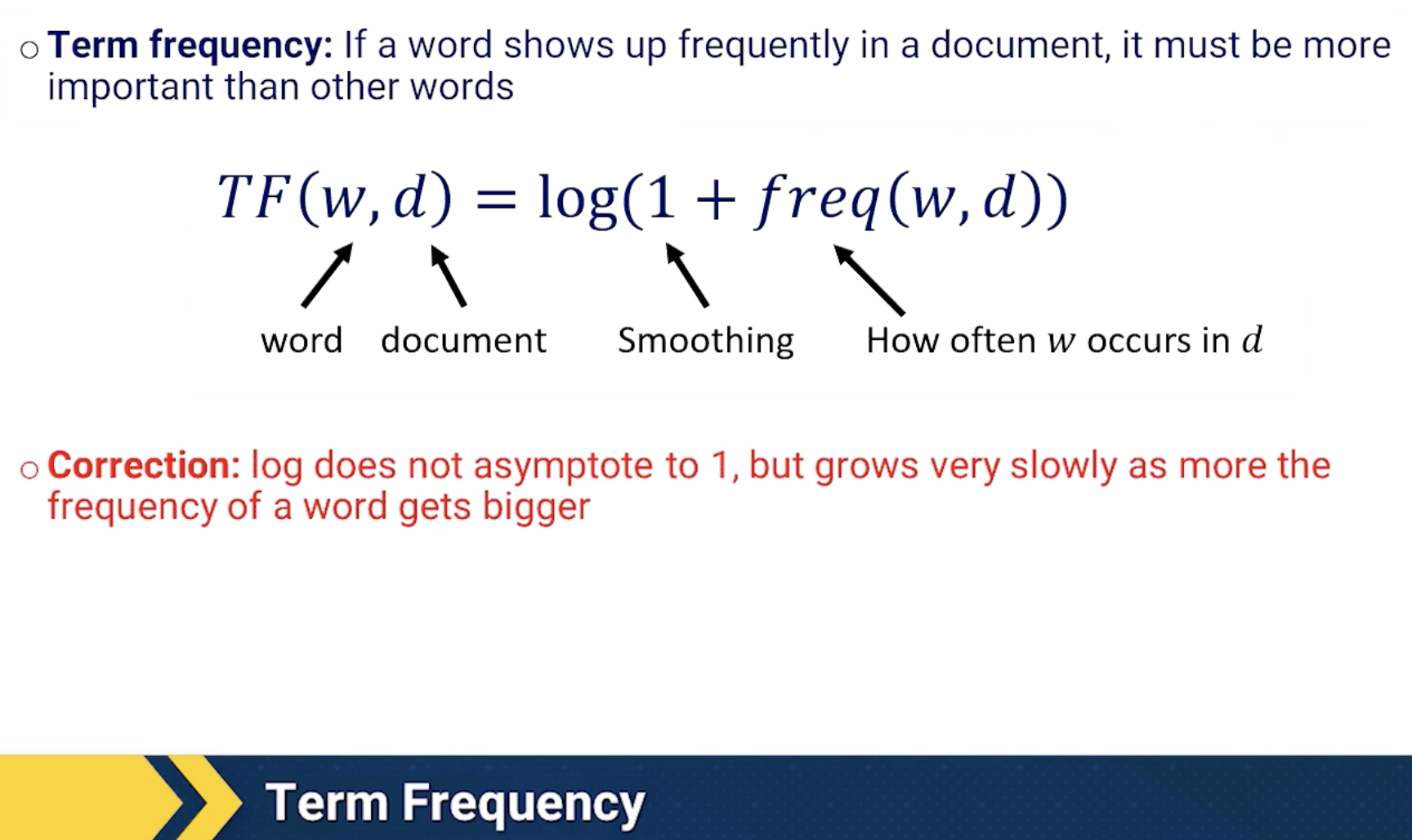
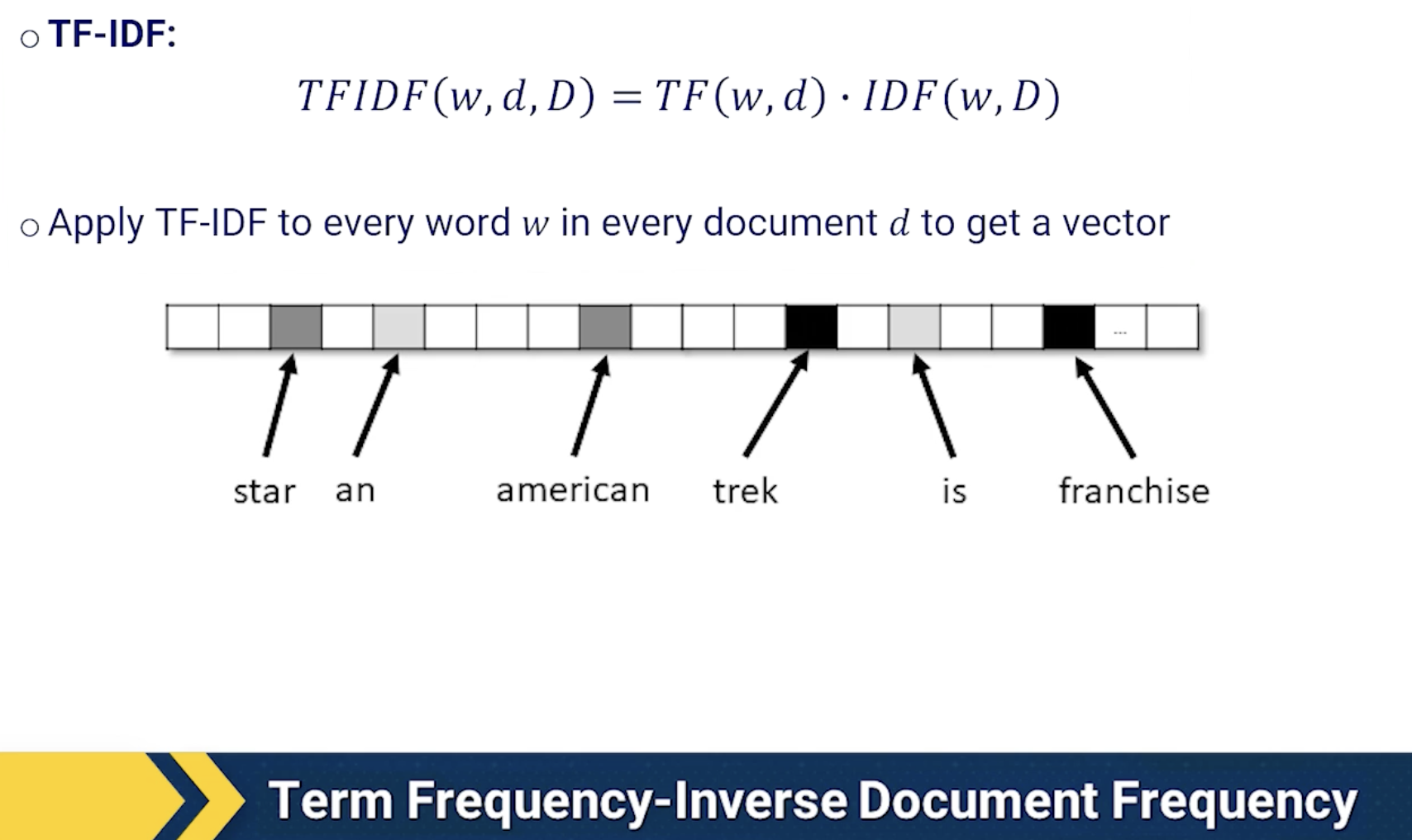
Term freq - inverse doc freq
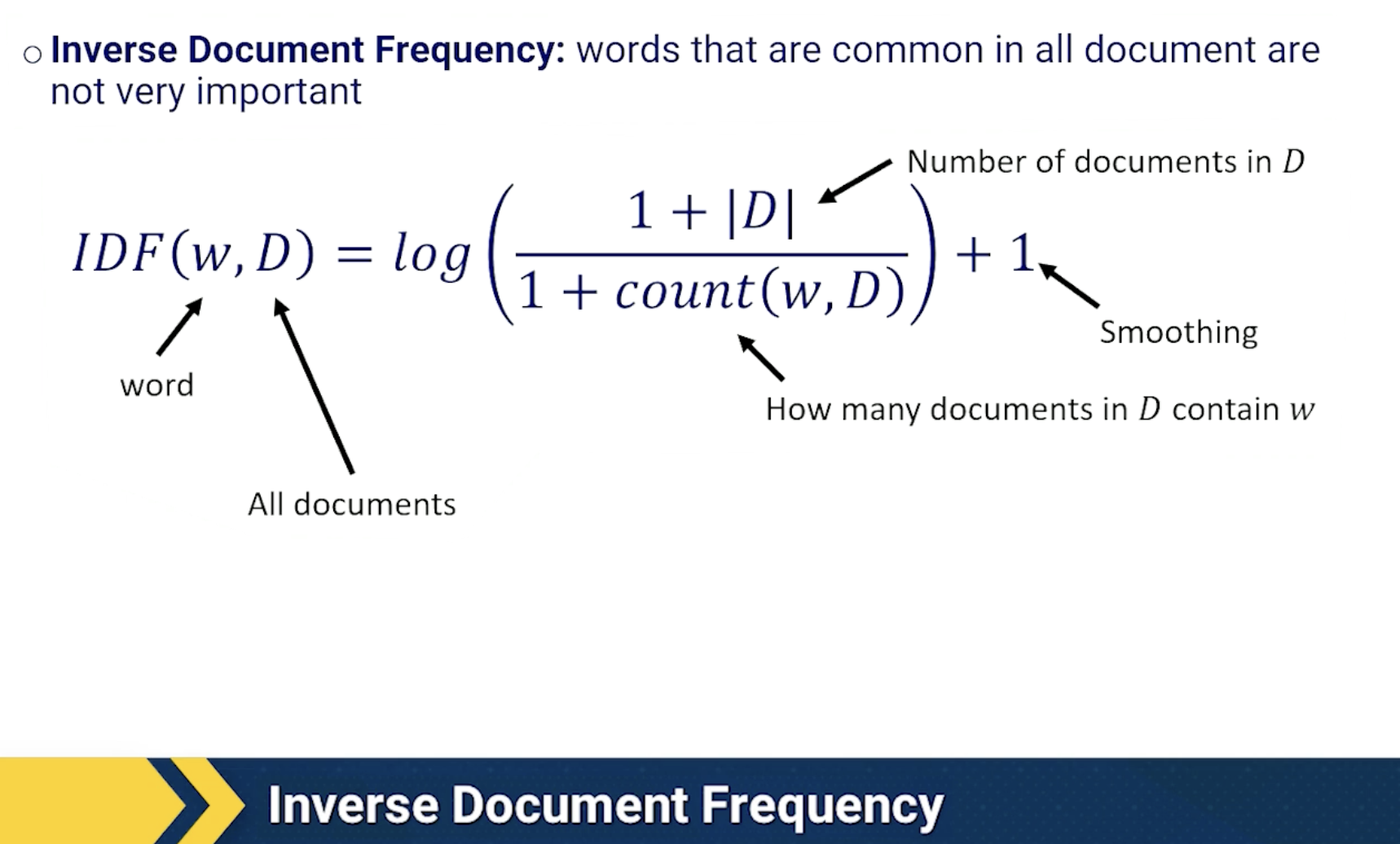
inverse doc freq
Multi-hot vector, length is vocab size
Measure The Similarity Documents
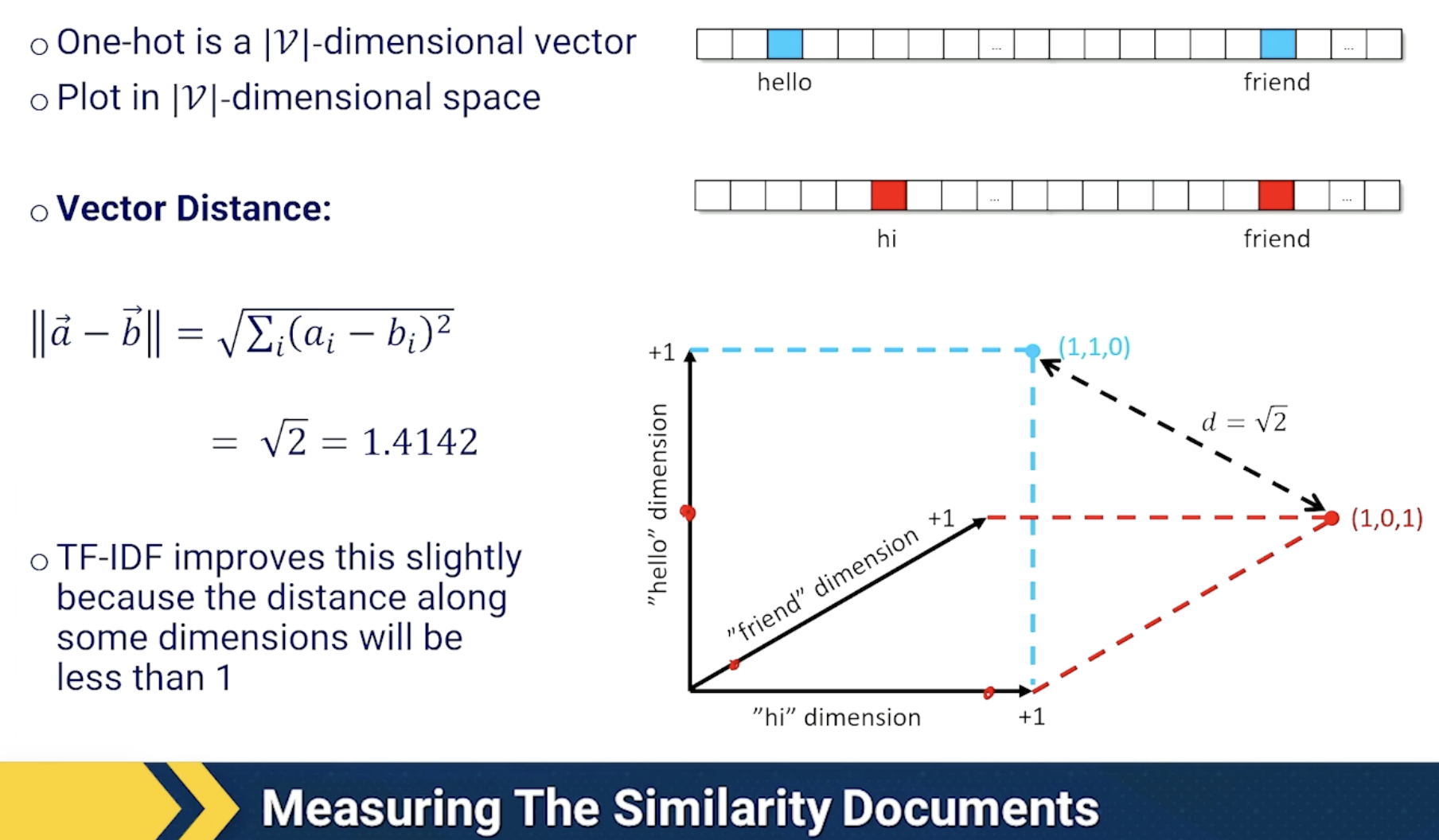
or using cosine for the angle between the two vectors
Query vector do matrix multiple with document matrix, get a vector with D length. this is basically a cosine similarity calculation. Argmax or top-k to return most relevant doc.
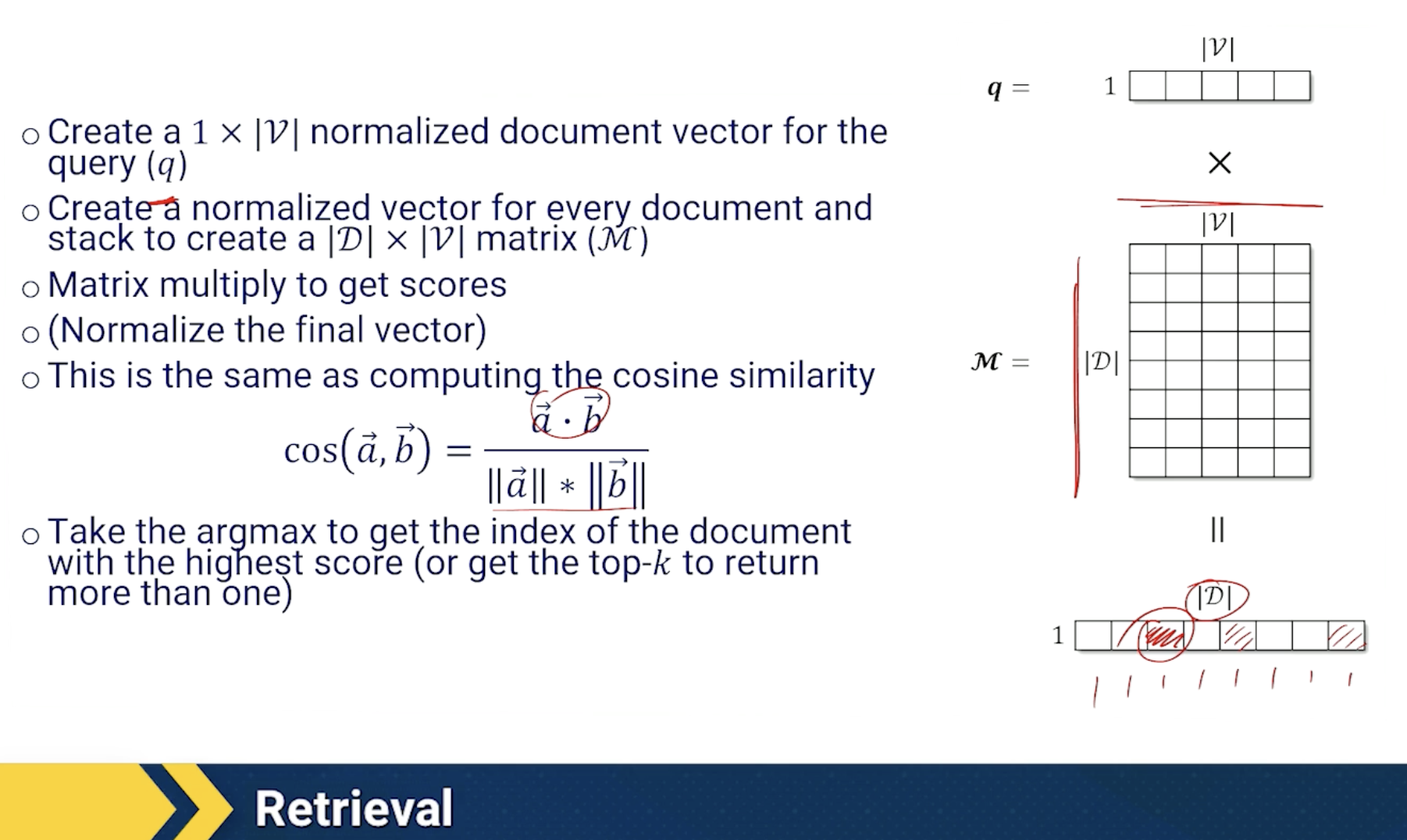
issues, need to get vocab length vector, not efficient; can’t capture similar words

word embeddings
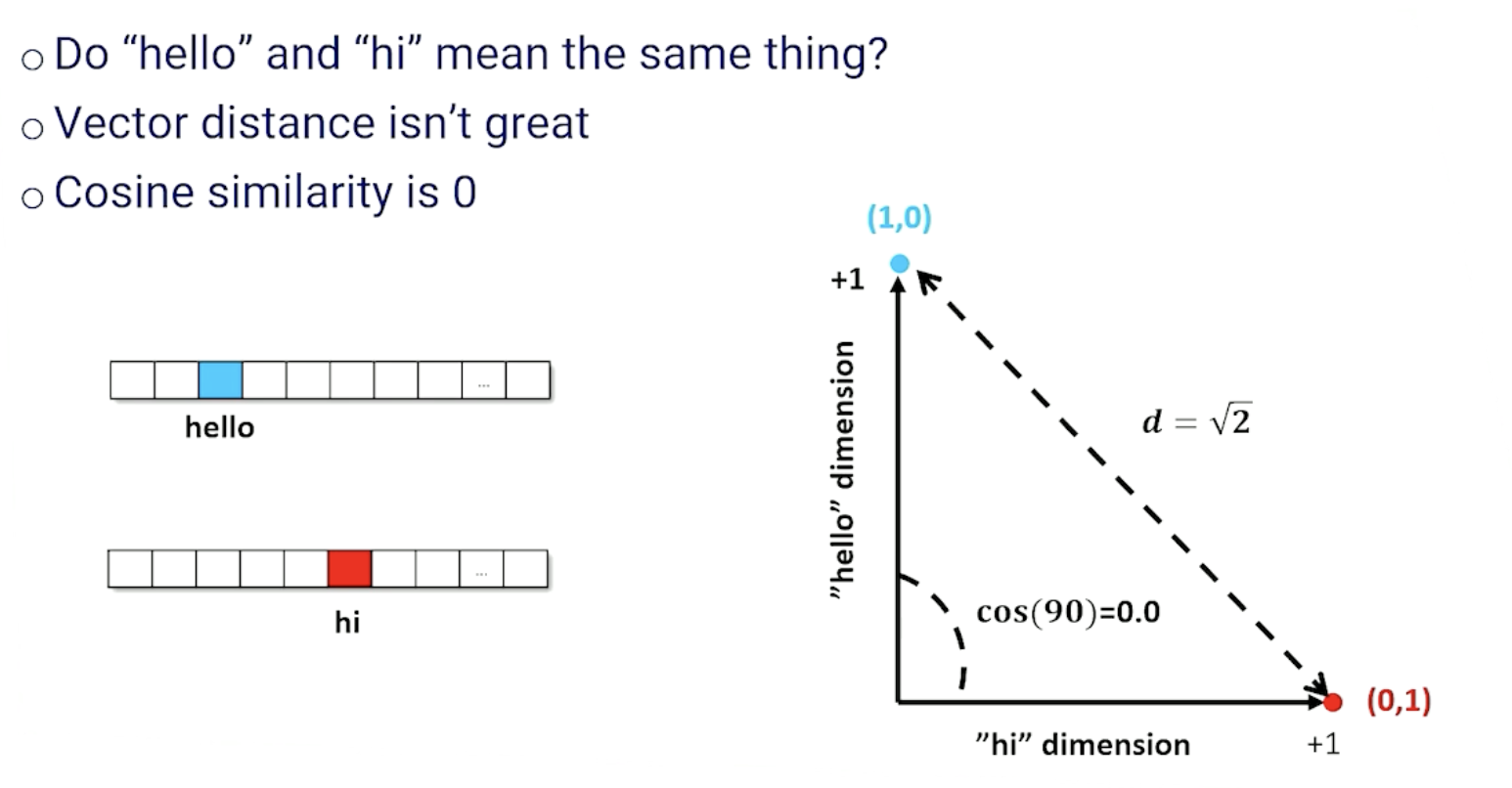
Vector distance 和cosine similarity的问题是,在onehot上,比如hello 和hi,都会show distance。
解决办法是利用linear layer 把V length vector project到d -dimensions上
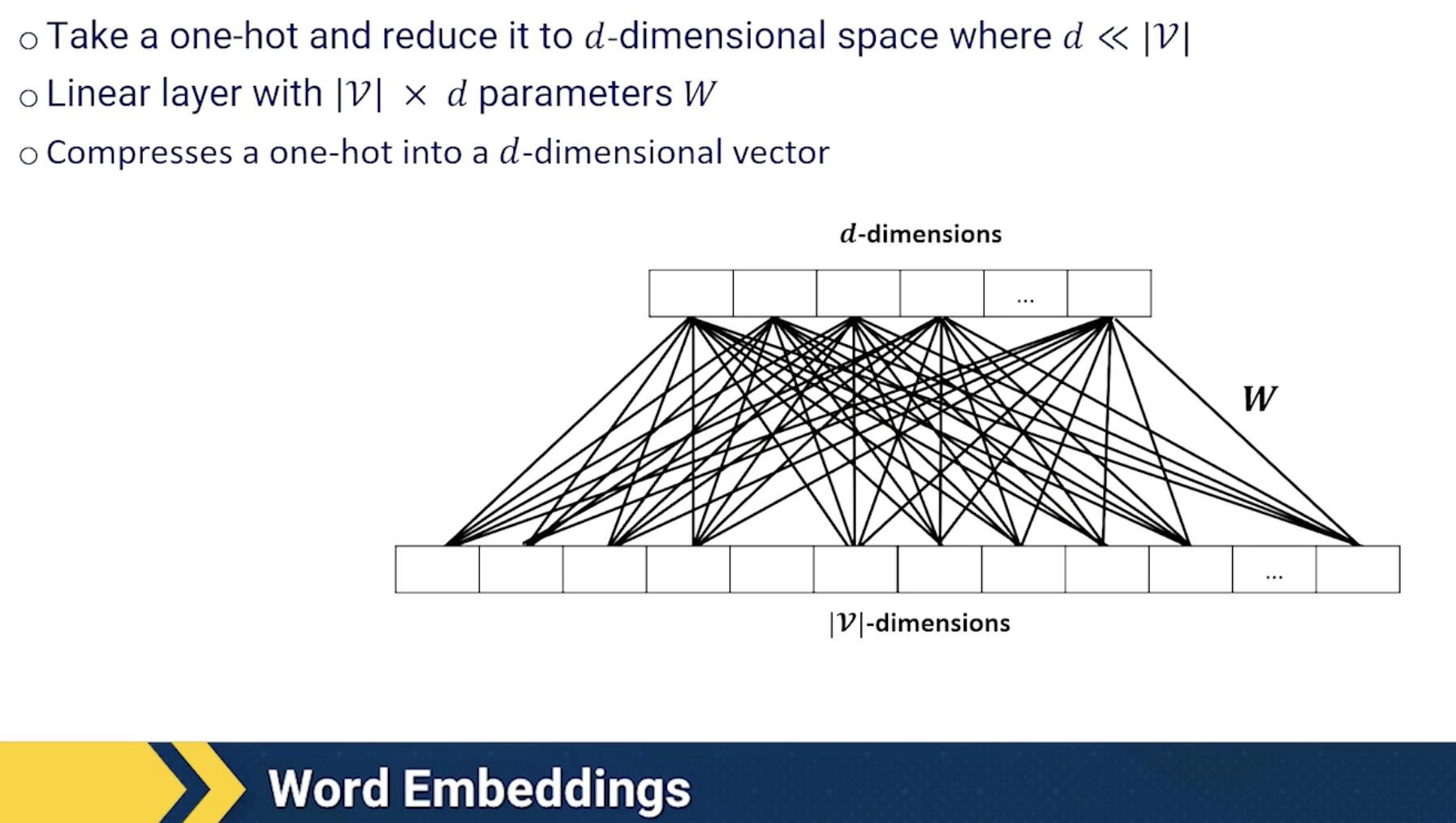
由于是onehot,一个1,其它都是0,最后投影到d-dimensions上去的value,其实是有1的那个的weights,最后那个为1的word,对应的是d个weights
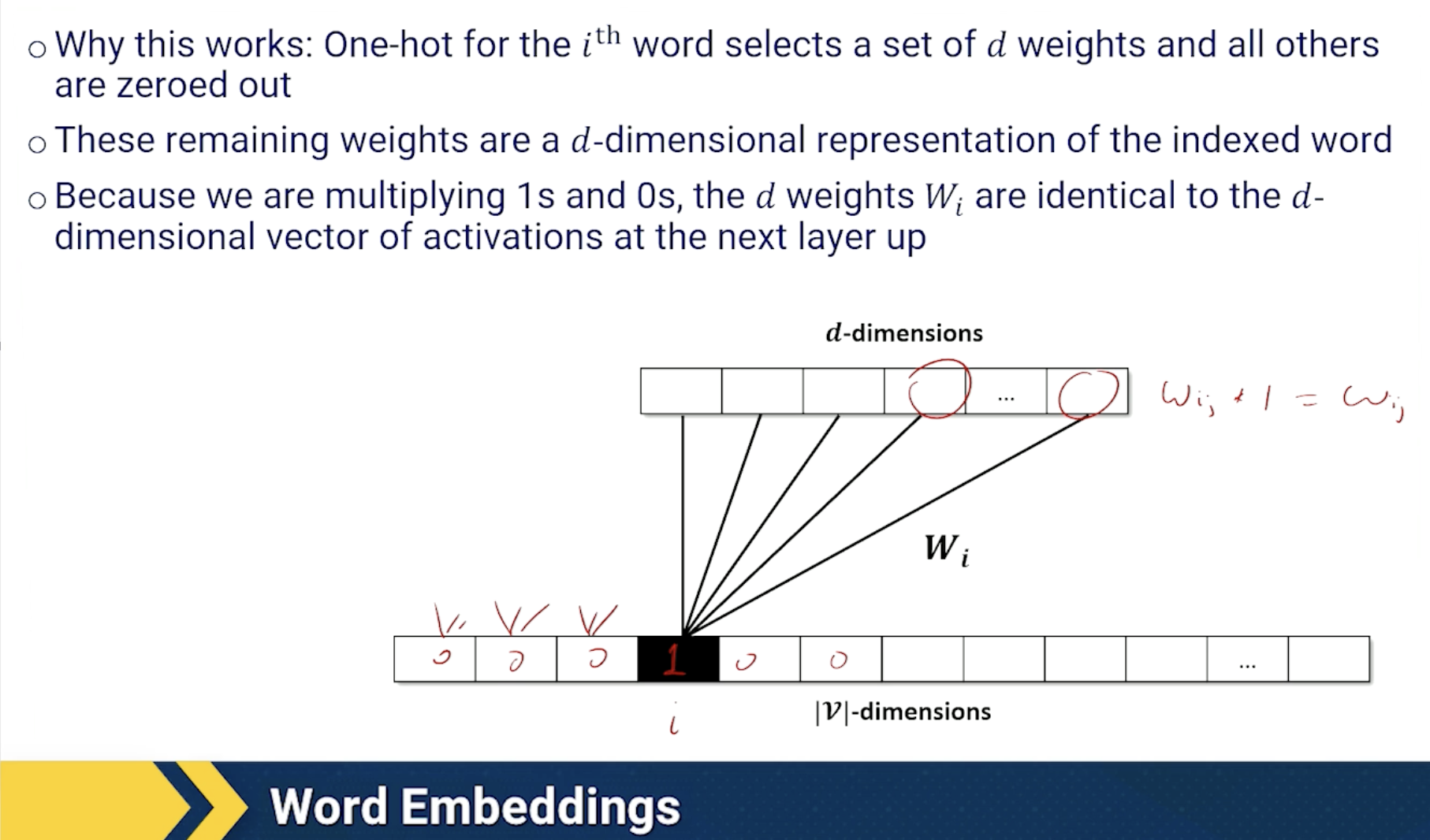
onehot会select weights的那一行。
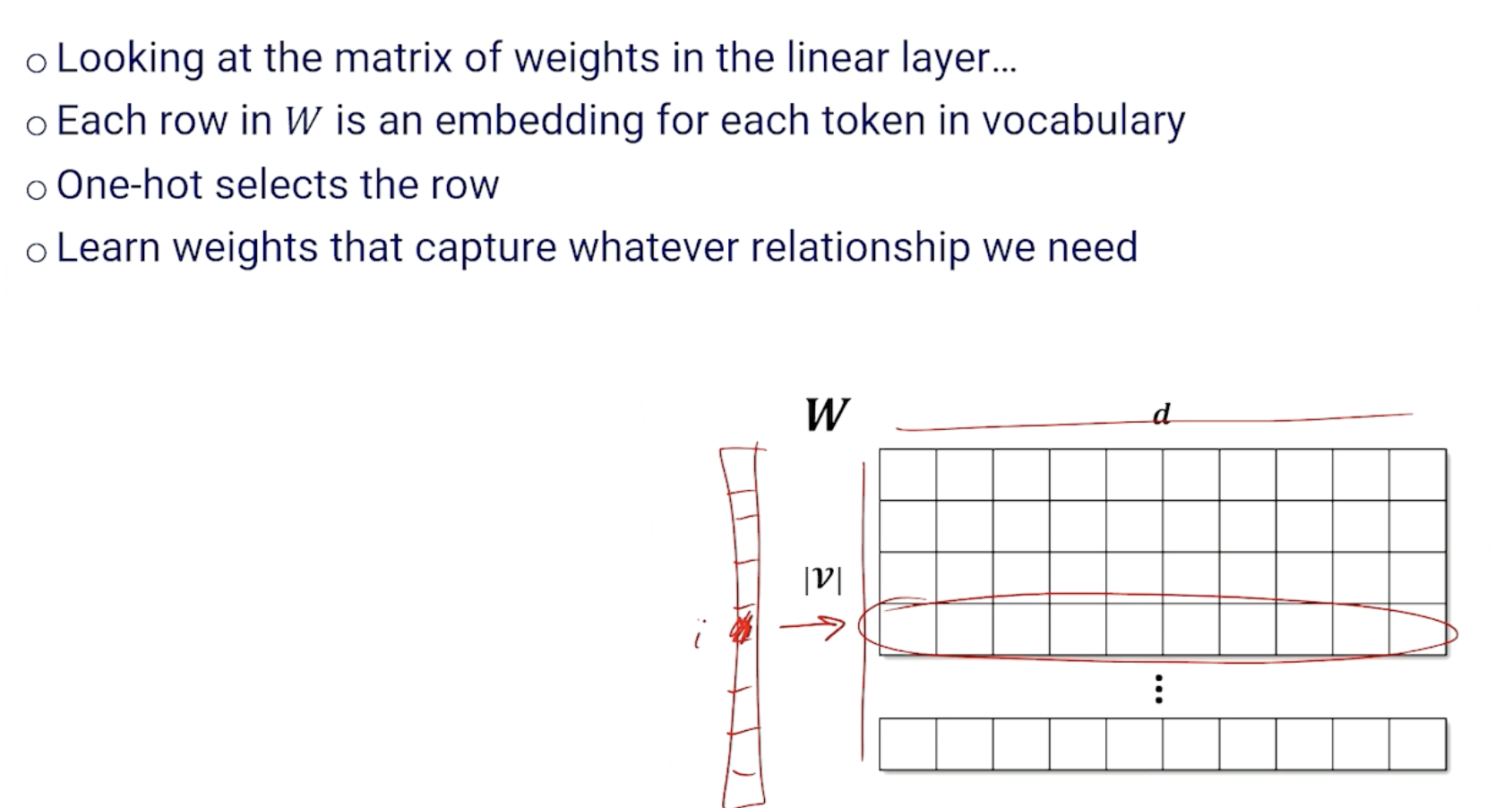
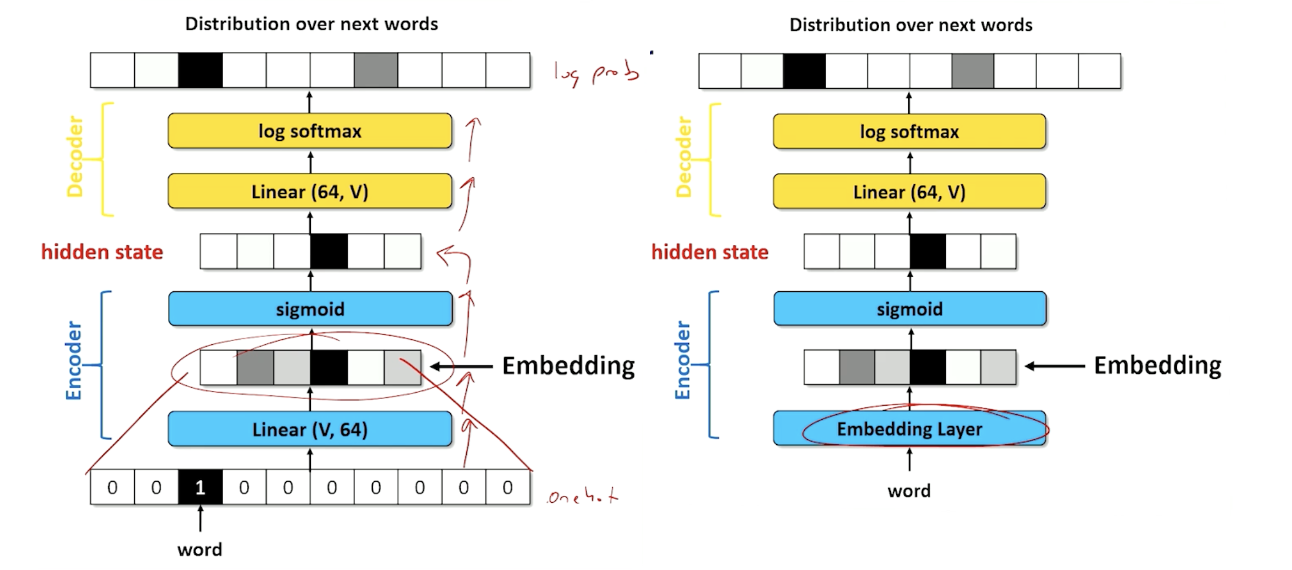
这和之前的RNN的那个onehot –> linear是一样的(左侧)
所以可以用右侧word –> embedding layer来代替 (右侧)
distributional semantics
一个词可以通过从周围的词推断出来
word2vec
相同的词有相似的embedding
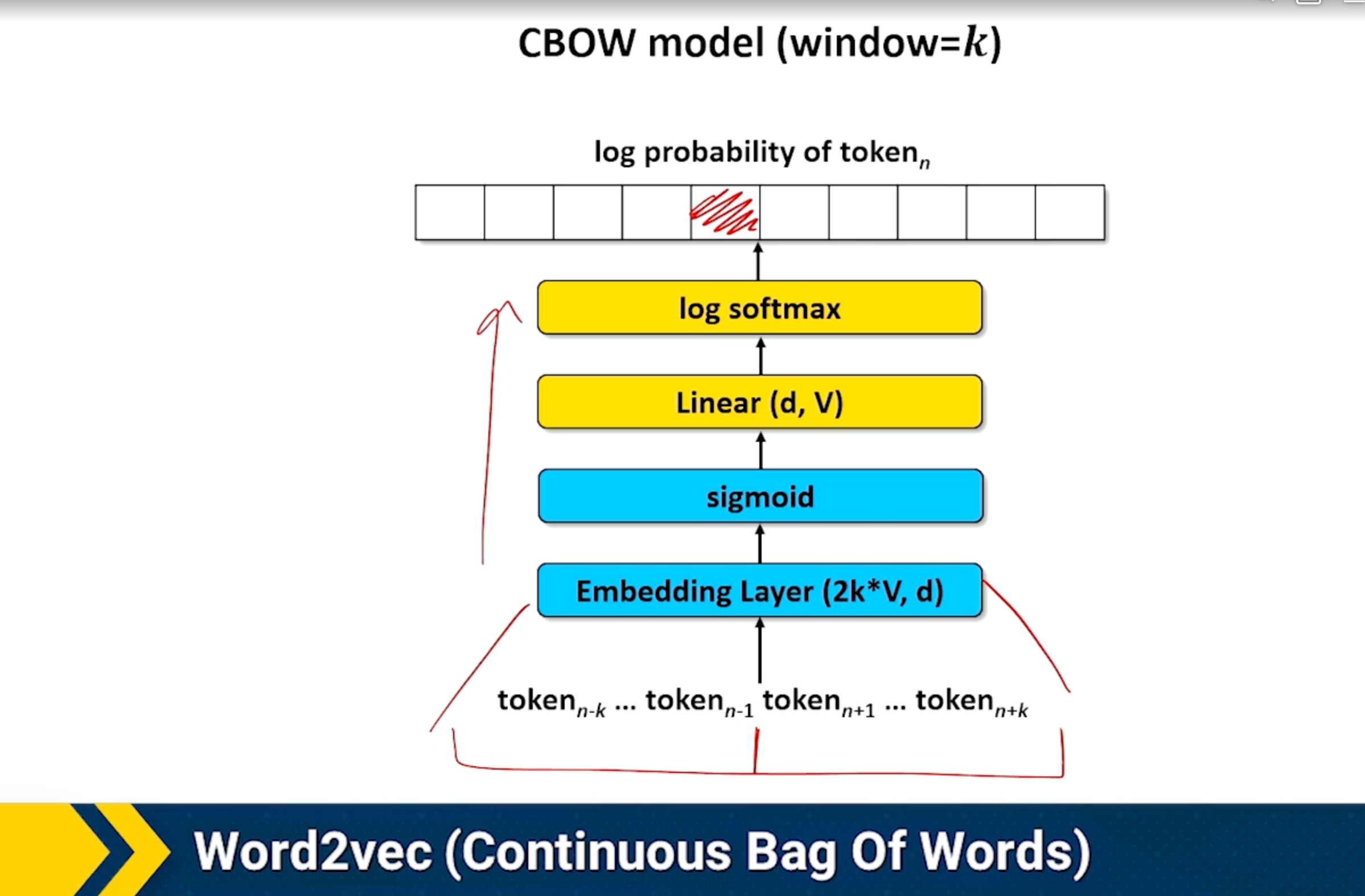
train word embedding using surrounding words in a sentence
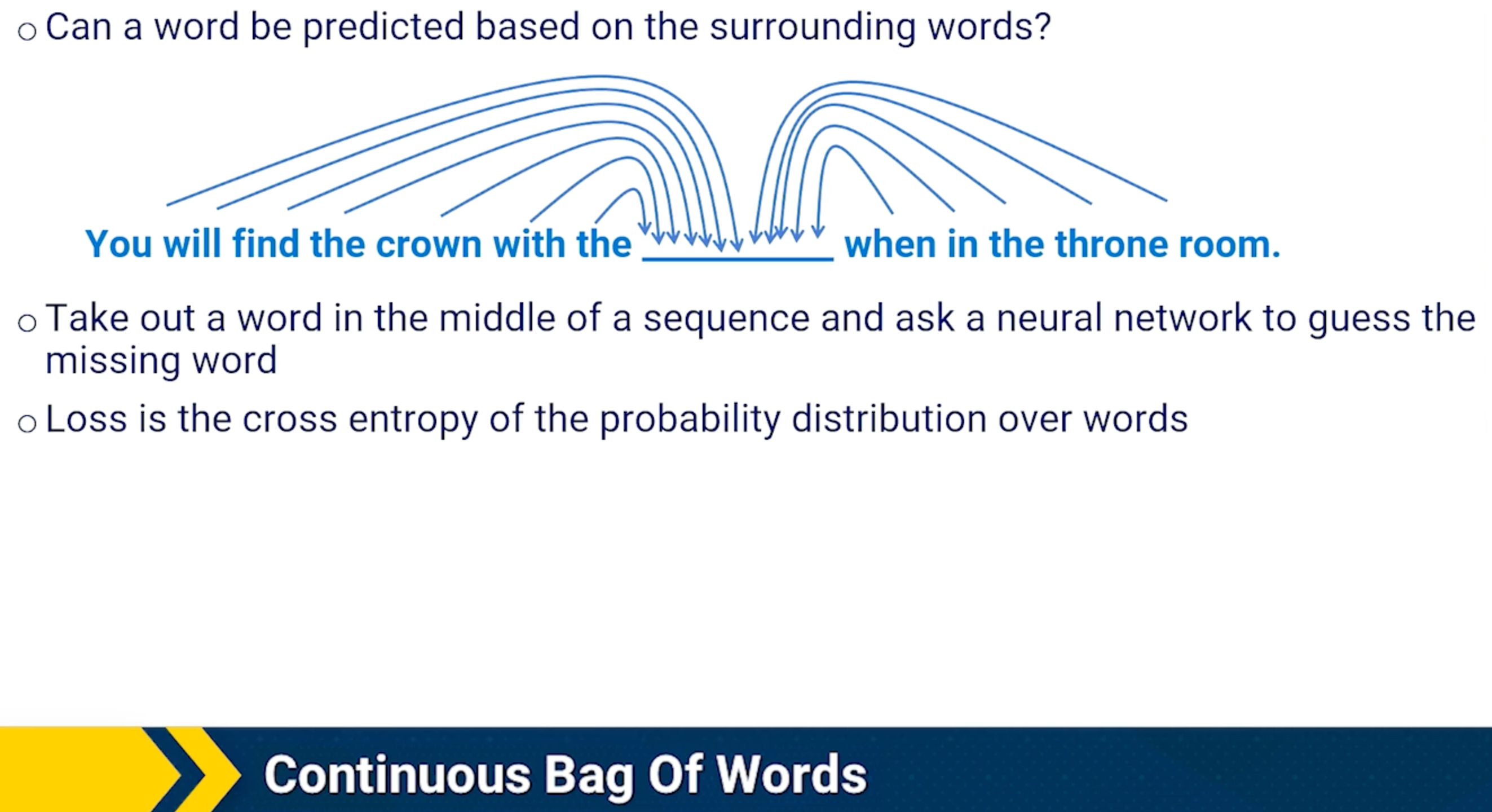
上面的模型,输入里中间的token n去掉,用surrounding token, predict token n
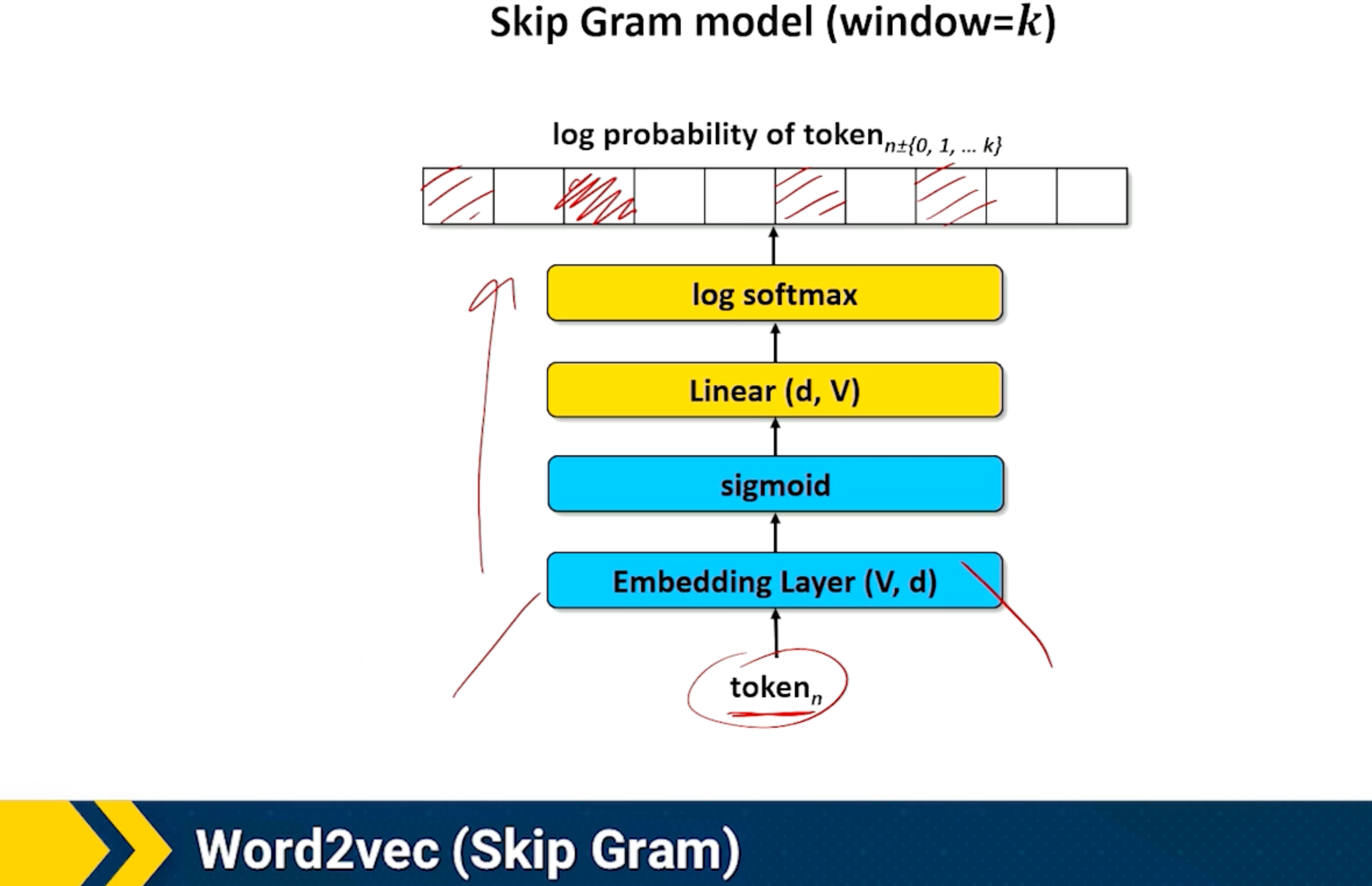
Skip gram
相反的,keep 一个词,猜一猜周围的词
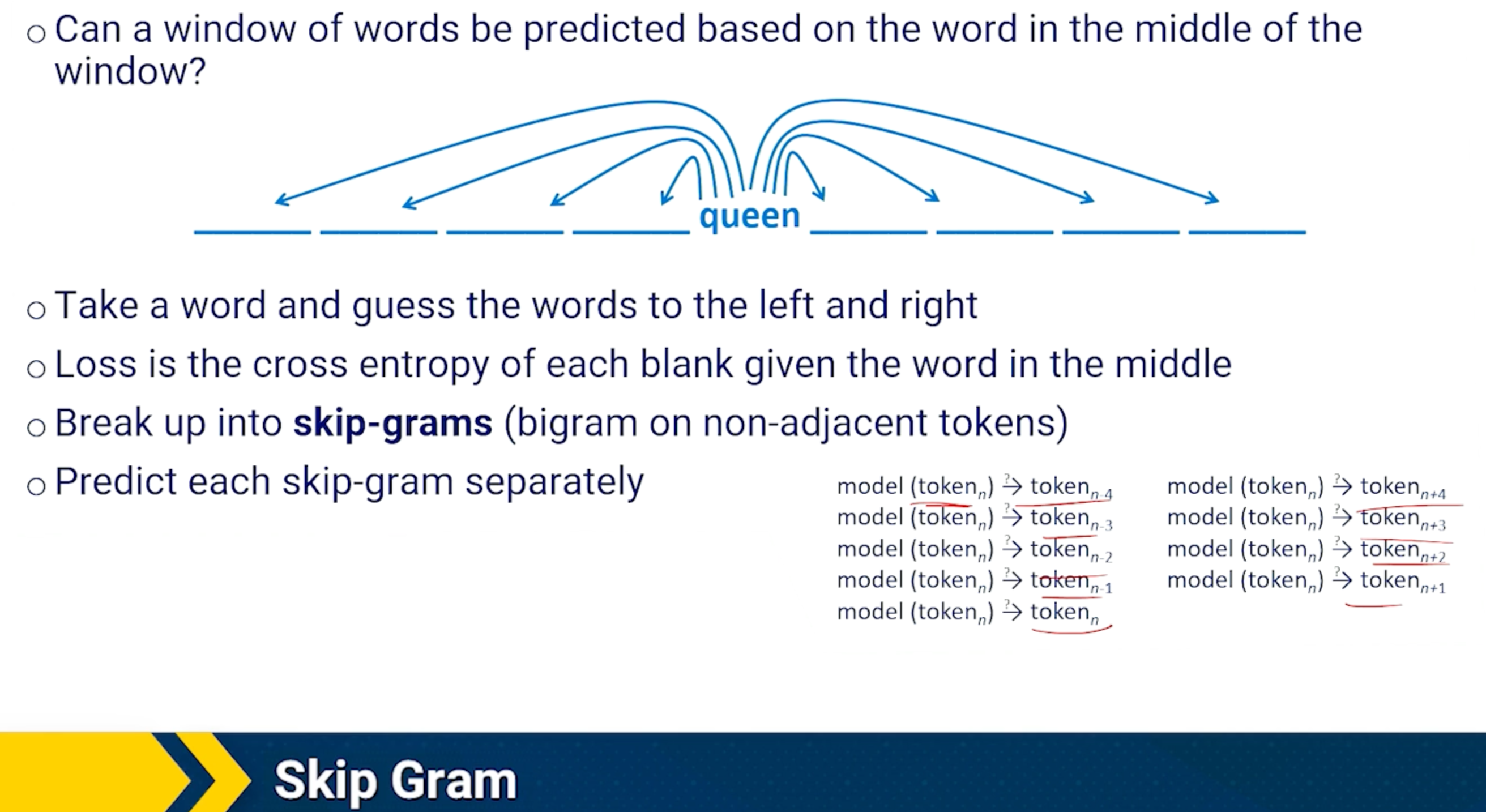
Skip gram
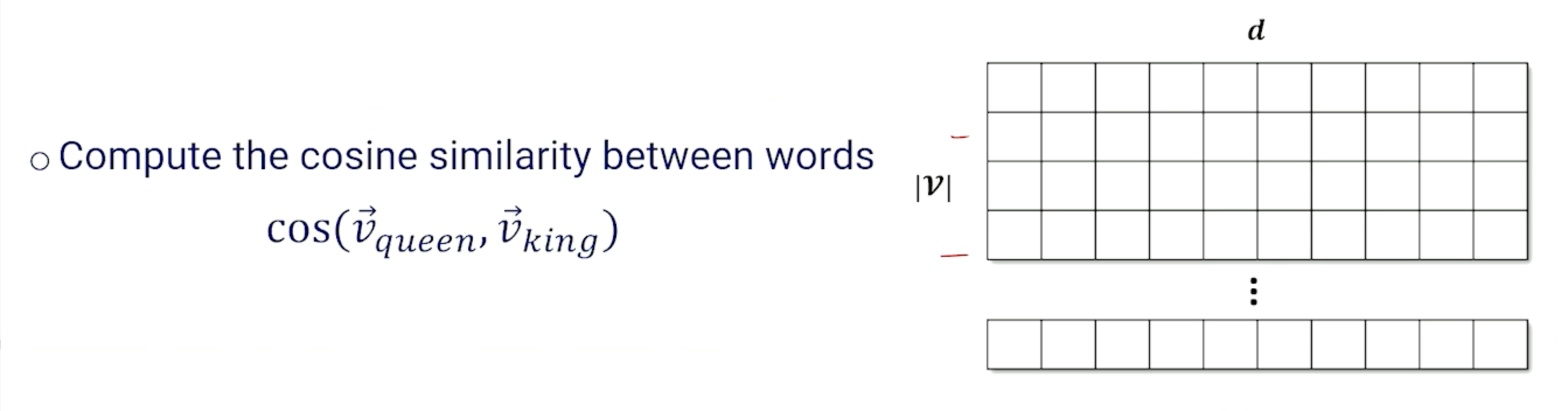
测量每个word embedding之间的关系
cosine
词pair的关系的delta,也可以推断出另一个词pair
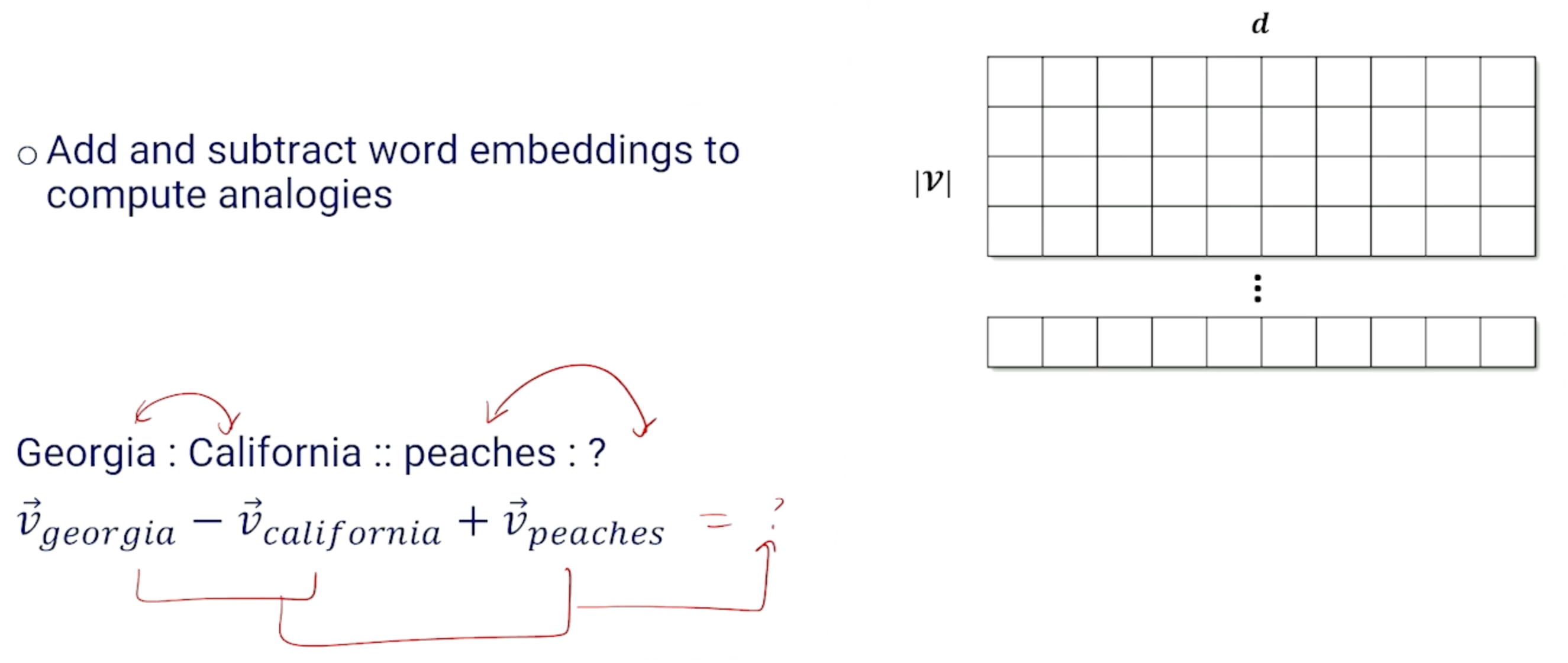
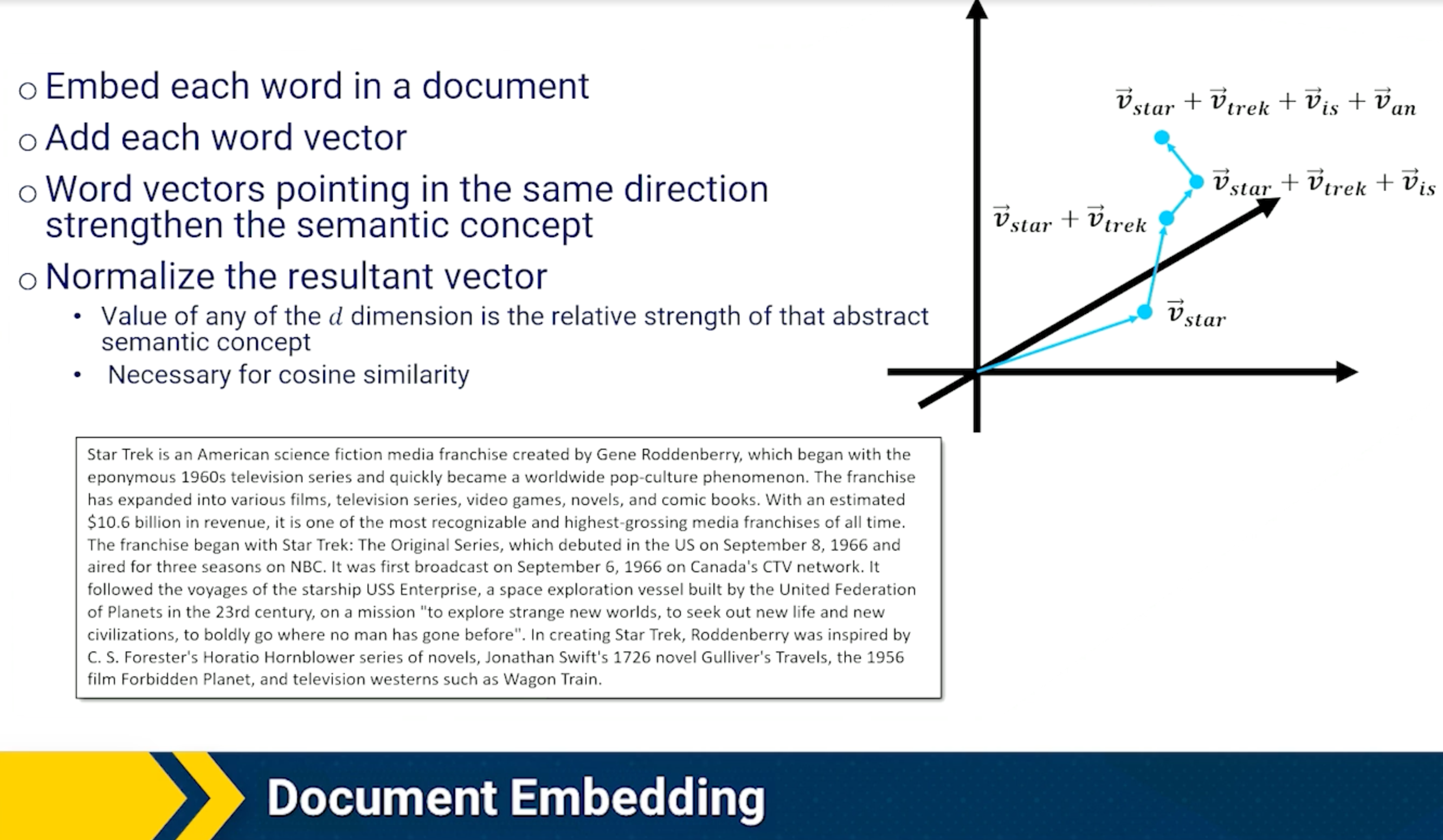
还可以把一个文档里的每个embedding都加在一起,然后normalize